
Thank you for supporting safer consumption sites in Ottawa
CSCS Ottawa Volunteer Opportunities Overview
CSCS Ottawa works to reduce harm and save lives by advocating for safer consumption sites and by mobilizing trained volunteers to provide immediate support to people who inject or inhale drugs. The core mission centers on practical care, stigma reduction, and evidence based advocacy. Volunteers join trained teams that deliver peer support, overdose response, outreach, education, and administrative backing while working with health partners to improve access to services across Ottawa.
Mission, values, and community context
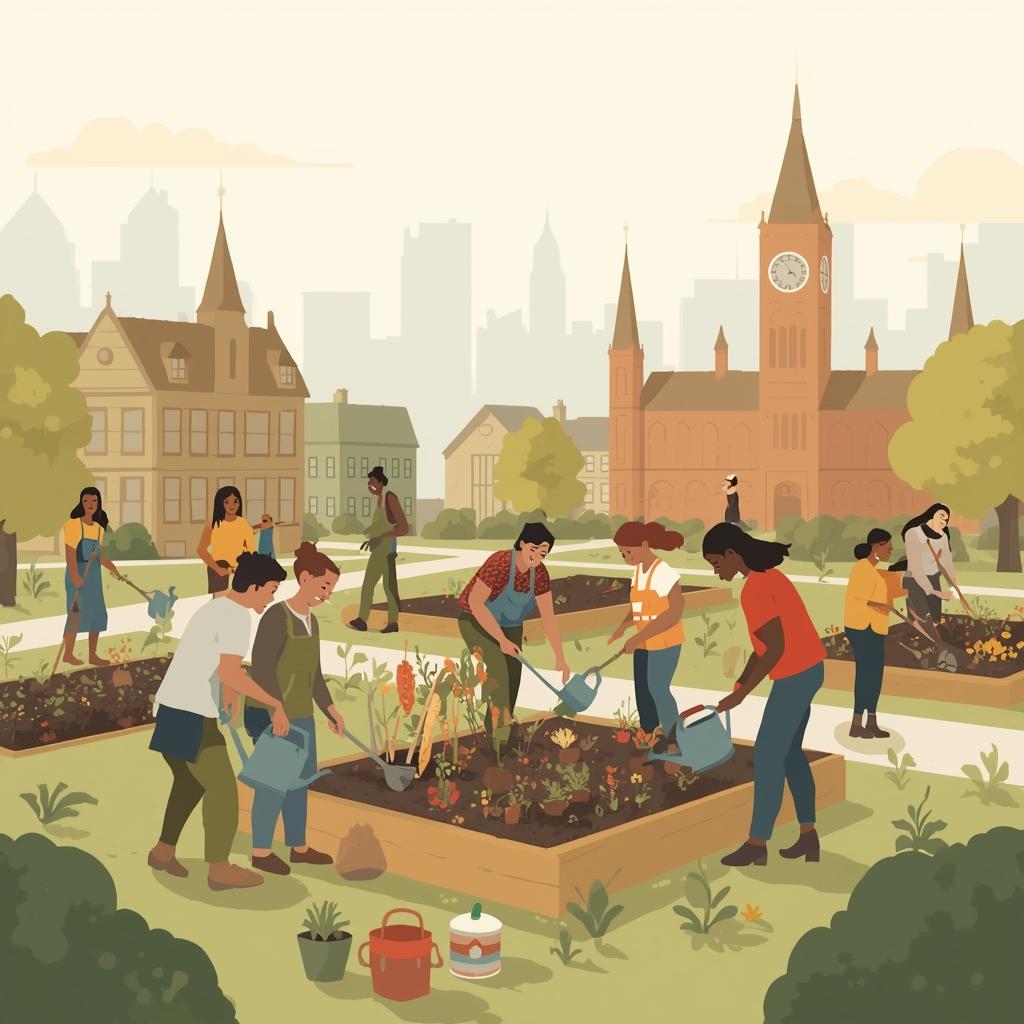
CSCS Ottawa emphasizes three values: dignity for people who use drugs, public health grounded in evidence, and community accountability. Ottawa’s urban and suburban geography concentrates need around transit corridors, shelter networks, and neighbourhoods near downtown core services. Federal and provincial policy shifts since 2003, such as the establishment of supervised consumption services in other provinces and the Good Samaritan Drug Overdose legislation enacted in 2017, frame local advocacy. Local volunteers contribute both direct services and the lived experience voice needed to shape municipal decisions and client centred programs.
The case for safer consumption services in Ottawa
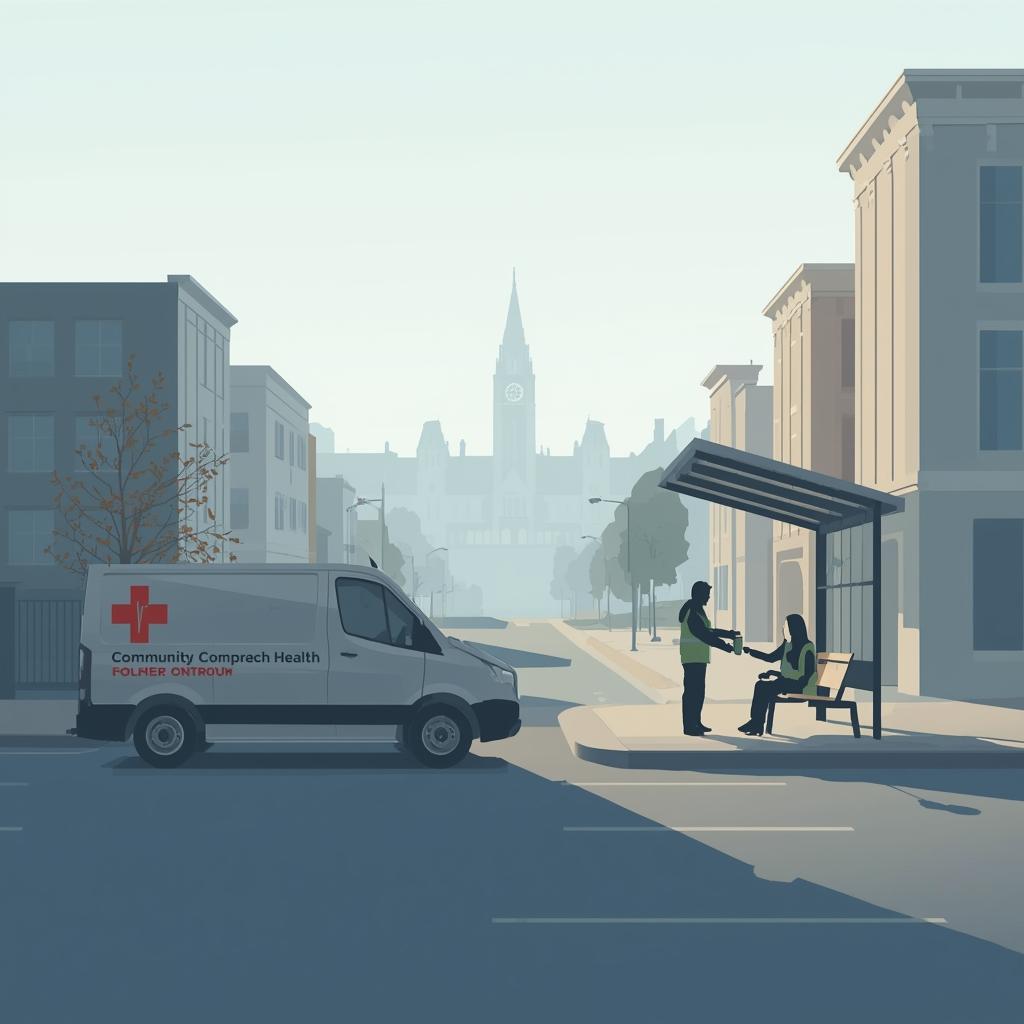
Safer consumption services reduce overdose deaths, lower public injecting, and improve connections to primary care and addiction treatment. International evaluations of supervised sites, including long term research from Vancouver’s Insite, show reductions in overdose deaths and increased referrals to treatment. In Ottawa, emergency responders report continuing opioid related calls and unpredictable drug supply issues driven by fentanyl and stimulant contamination. Volunteers strengthen community safety by expanding reach, offering naloxone administration, and ensuring compassion in crisis moments while collecting real time information to inform policy.
Volunteer roles, responsibilities, and typical commitments
Volunteering with CSCS Ottawa spans peer support, outreach, supervised consumption support, overdose response, mobile harm reduction, administration, advocacy, fundraising, and training delivery. Roles match varied commitments from short shifts to ongoing program responsibilities. Below is a compact dataset describing typical time commitments, baseline training hours, key duties, and whether lived experience is prioritized.
| Role | Typical shift length | Baseline training hours | Key duties | Lived experience preferred |
|---|---|---|---|---|
| Peer Support Volunteer | 3–4 hours | 30 | One to one emotional support, referrals, navigation to services, follow up | Yes |
| Harm Reduction Outreach Volunteer | 3–5 hours | 20 | Street outreach, supply distribution, basic needs referrals, route mapping | Yes |
| Supervised Consumption Site Support Volunteer | 4–8 hours | 40 | Reception, supervised observation, basic set up and clean up, recordkeeping | Yes/No |
| Naloxone & Overdose Response Volunteer | On call or shift | 8–12 | Administer naloxone, coordinate EMS, post overdose care, documentation | Yes |
| Outreach Mobile Harm Reduction Volunteer | 3–6 hours | 20 | Bus and foot routes, community mapping, supply restocking, safety checks | Yes |
| Administrative and Event Support Volunteer | 2–6 hours | 4–8 | Data entry, event logistics, volunteer coordination, supply procurement | No |
| Advocacy and Communications Volunteer | Flexible | 8–16 | Messaging, social media, community presentations, campaign work | No |
| Fundraising and Grant Support Volunteer | Variable | 8–20 | Proposal drafting, donor research, reporting, stewardship | No |
| Training and Capacity Building Volunteer (Peer Educator) | Variable | 40+ | Deliver peer training, co design curricula, mentor volunteers | Yes |
Beyond role specifics, volunteers must work within clear duty boundaries. Peer support emphasizes rapport and referral rather than clinical treatment. Supervised consumption support focuses on observation, safety checks, hygiene, and documentation; medical interventions remain with trained clinicians and EMS when required. All volunteers follow incident response protocols that require immediate naloxone administration when indicated, activation of EMS for unresponsive clients, and structured debrief and documentation after events.
Training, supervision, safety, and legal protocols
Volunteer onboarding includes orientation, mandatory skills sessions, and optional advanced training modules. Mandatory topics typically include overdose recognition and response, naloxone administration, basic infection control, confidentiality practices, and anti oppression and cultural safety. Optional modules cover trauma informed communication, peer education techniques, and advocacy campaigning. Supervision is continuous: volunteers are paired with experienced staff or peer leads, attend regular debriefs, and access emotional support resources including referral to counselling and clinician consultation.
Safety protocols emphasize situational awareness, buddy staffing for outreach, personal protective equipment, clear boundaries around physical interventions, and secure storage of supplies. Legal guidelines note protections under the Good Samaritan legislation for those seeking emergency help for overdoses and outline privacy obligations under provincial health information rules. Volunteers complete background screening calibrated to role risk and can request accessibility accommodations at application.
Application, placement, and partnerships
Application requires an online form, interview, reference checks for higher risk roles, and completion of required training before placement. Matching considers skills, availability, lived experience preferences, and safety needs. Agreements include codes of conduct, confidentiality commitments, and a clear statement of expected time commitment. CSCS Ottawa coordinates closely with Ottawa Public Health, local harm reduction programs, shelter providers, and community health centres to ensure referrals and service continuity. Volunteers contribute measurable impact data, such as client contacts, naloxone administrations, and referral outcomes, which inform advocacy and funding applications.
Benefits, support, and next steps
Volunteers gain practical skills, formal certifications, and pathways into health, social work, or harm reduction careers. Regular supervision, peer mentorship, and mental health supports are provided. To inquire or apply, potential volunteers should contact CSCS Ottawa via the volunteer contact form or the volunteer coordinator email. Prospective applicants receive timelines for screening, an onboarding calendar, and a clear point of contact for accessibility needs. Participation yields tangible community impact by reducing harm, improving service access, and shaping policy toward safer consumption services in Ottawa.

